Try Block Blast! Solver now, no sign-up needed
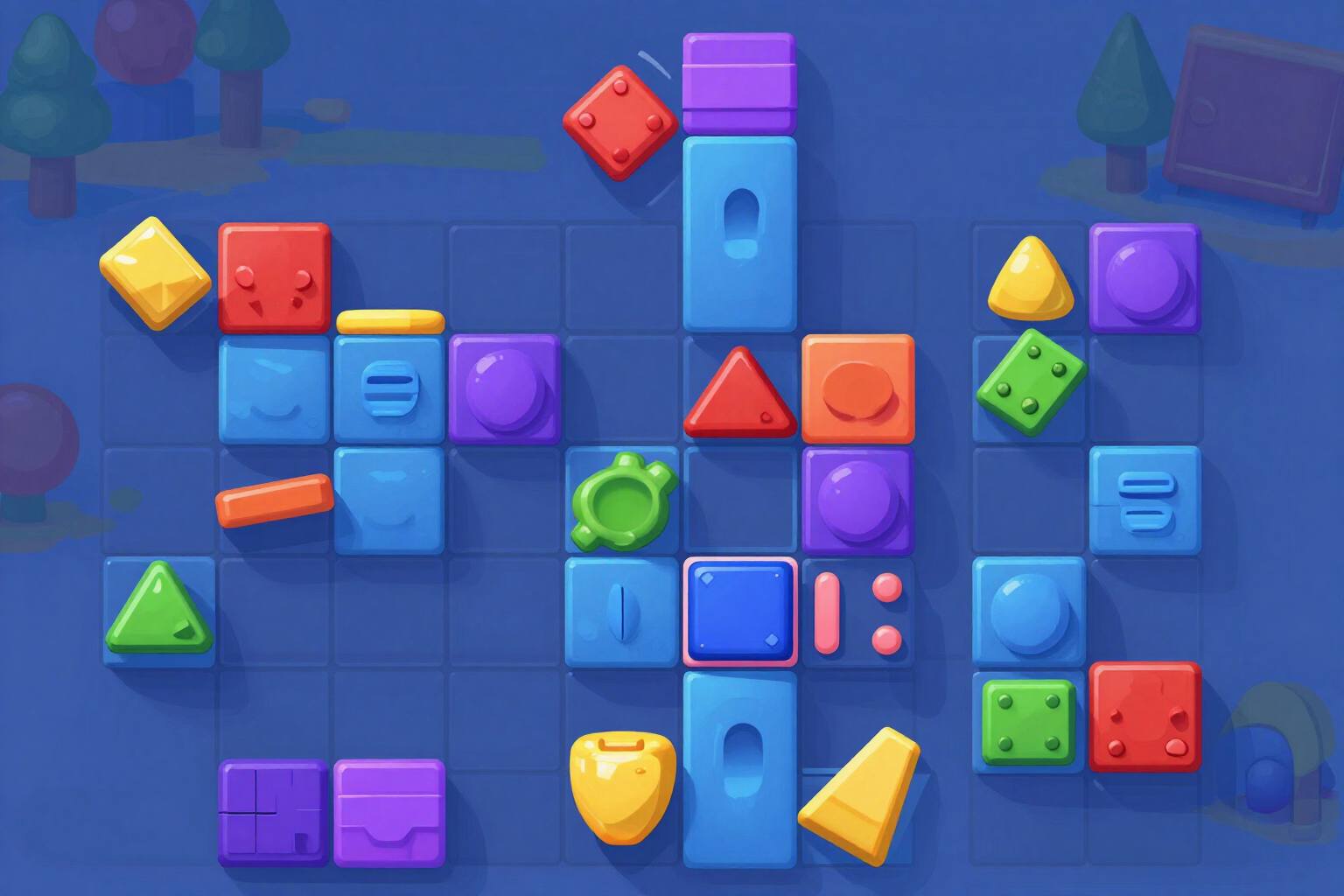
Block Blast! Solver · The best move for your board, calculated
For the player who loses two turns after the move that looked good: mark your 8×8 board, choose your three pieces, and we’ll tell you where each one goes, in what order, and why, along with what happens to the board afterward. No sign-up, no limit, and no artificial intelligence: it’s math, and it runs on your phone.
הוא יודע את לוח הכפל של 7 היום ומחר שוב טועה בו?
חשבון בראש מתחזק רק בחזרה, ובדיוק שם זה נשבר: הילד טועה בתרגיל, עובר לבא וממשיך לטעות באותו תרגיל חודשים. Zuki Math מציע לו אתגר של 20 תרגילים בהתאמה לגילו ולא נותן לאף טעות לברוח: התרגיל שנפל חוזר לסוף התור, מופיע שוב עם התג נקמה! וממשיך להופיע עד שהוא פותר אותו. האתגר נמשך שתי דקות או שלוש, ולכן הוא נכנס בכל אחר צהריים.
See the tools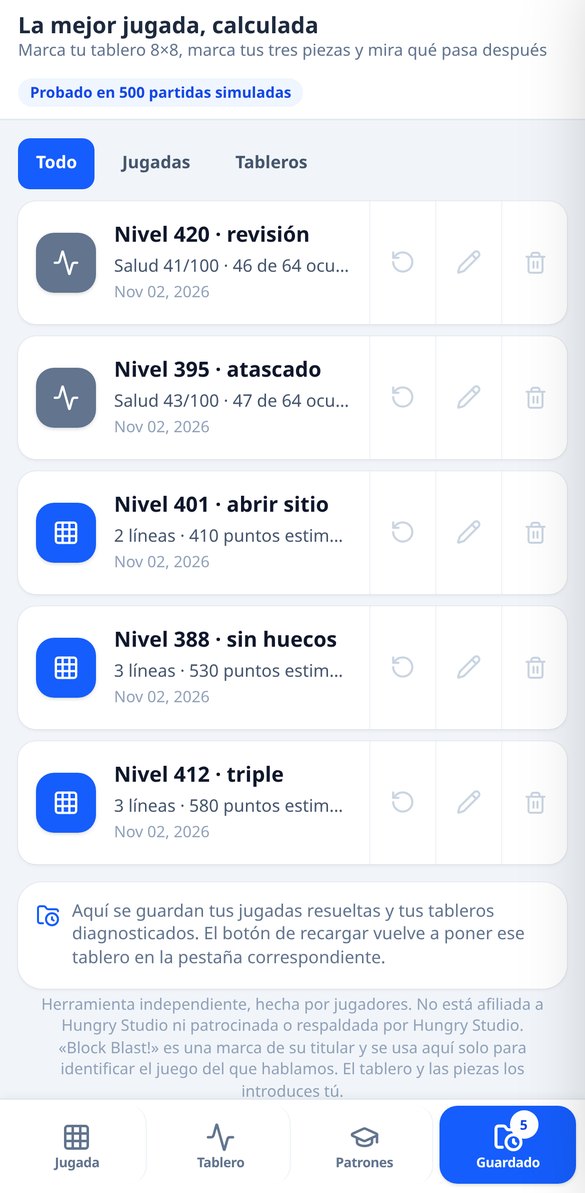
Discover every feature in detail
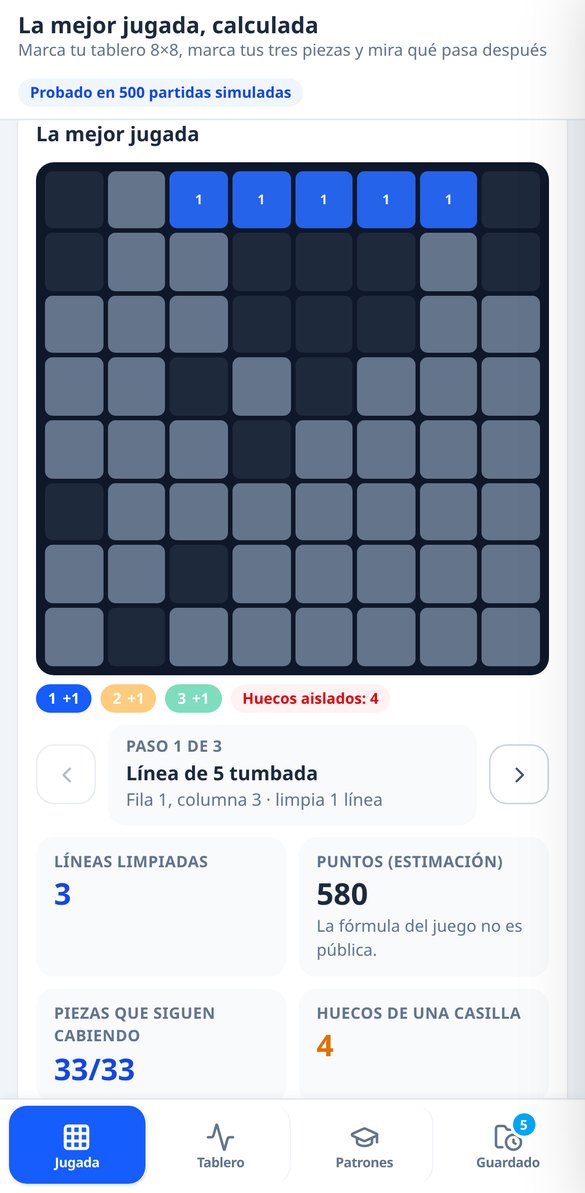
Block Blast! Solver: the best move for your 3 pieces
Mark your 8×8 board and your three pieces: we calculate the best move for the whole turn, with order, lines you clear and why. Free, no registration, no limit.
Try it free
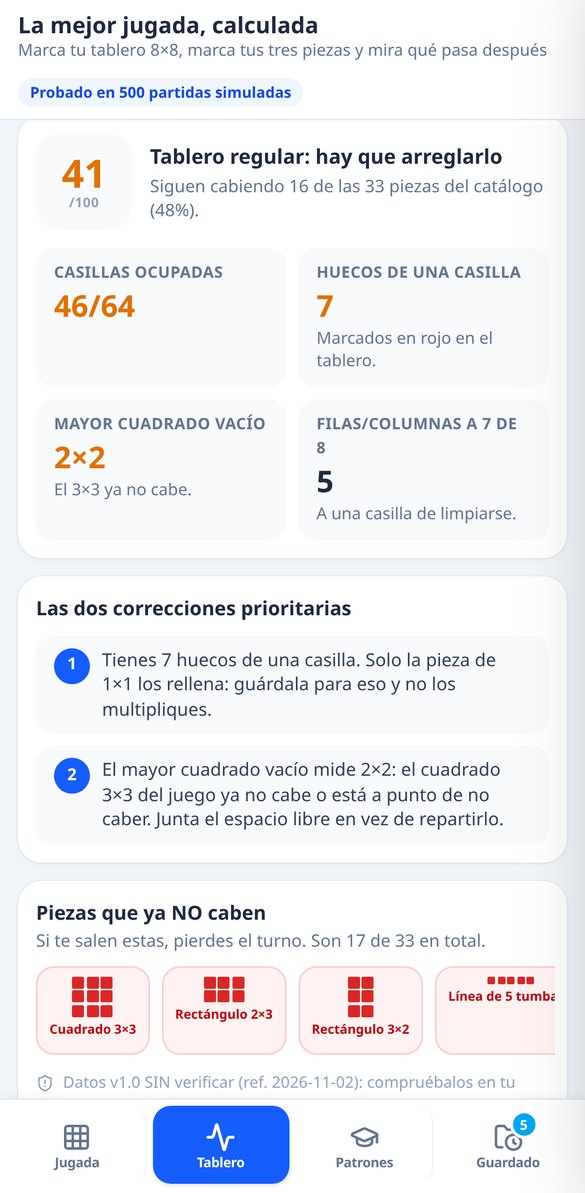
Block Blast! Board Diagnosis: why you're stuck
Mark your 8×8 board and get its 0-to-100 health score: holes, largest free square, pieces that no longer fit, and the two priority fixes. Free.
Try it free
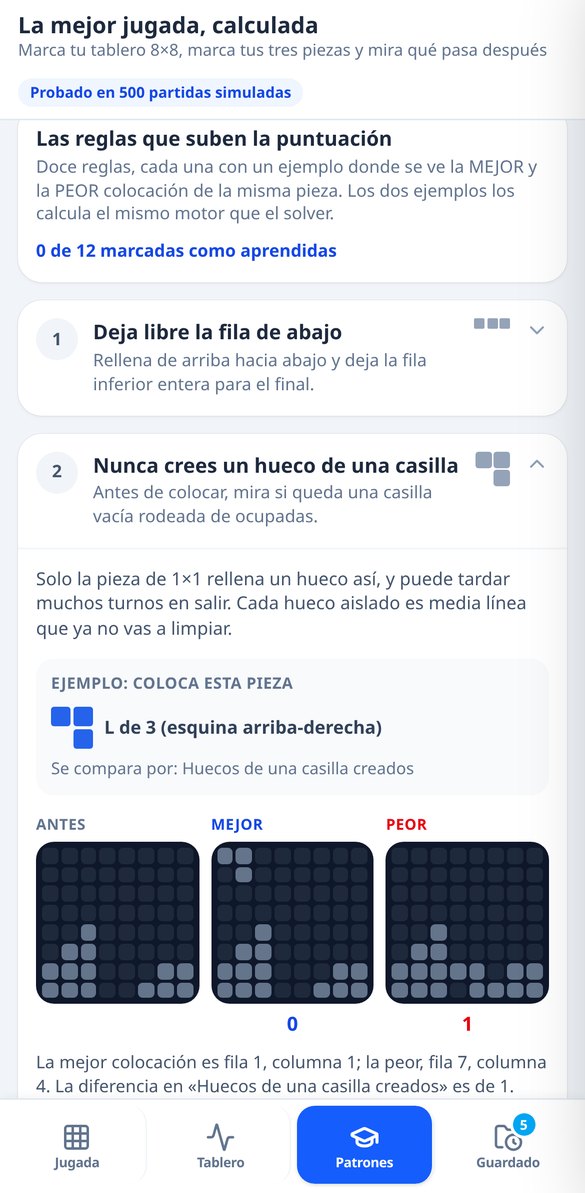
Block Blast! Tricks: 12 patterns to raise your score
Twelve Block Blast! placement rules with a calculated example: the same piece in its best and worst spot, side by side. Free, no registration, no limit.
Try it free
Does the Block Blast! solver work? 500 games measured
Three players over the same 500 simulated games: random lasts 3 turns, greedy 20, and this solver a median of 40. With date, method and assumptions.
Try it free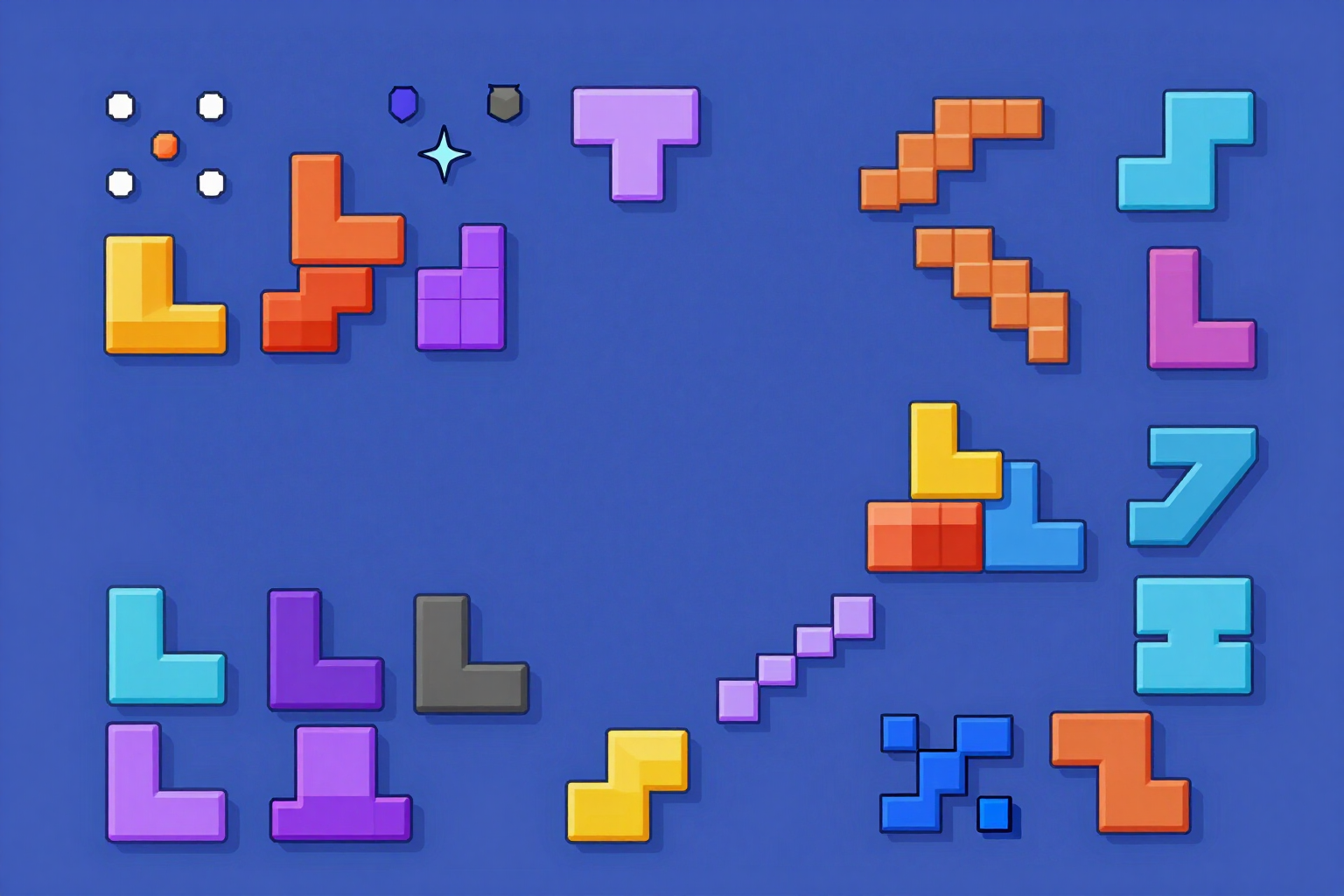
Block Blast!'s 33 pieces | Catalog with version and date
The 33 shapes the solver uses, in 7 families, with version and date in plain sight. In Block Blast! pieces don't rotate: each turn is a different piece.
Try it freeEverything it gives you before placing a piece
שלושה דברים שדף שיעורי בית לא נותן: קושי מכויל משנה לשנה, טעויות שלא בורחות ורצון לחזור גם מחר.
Your full turn, step by step
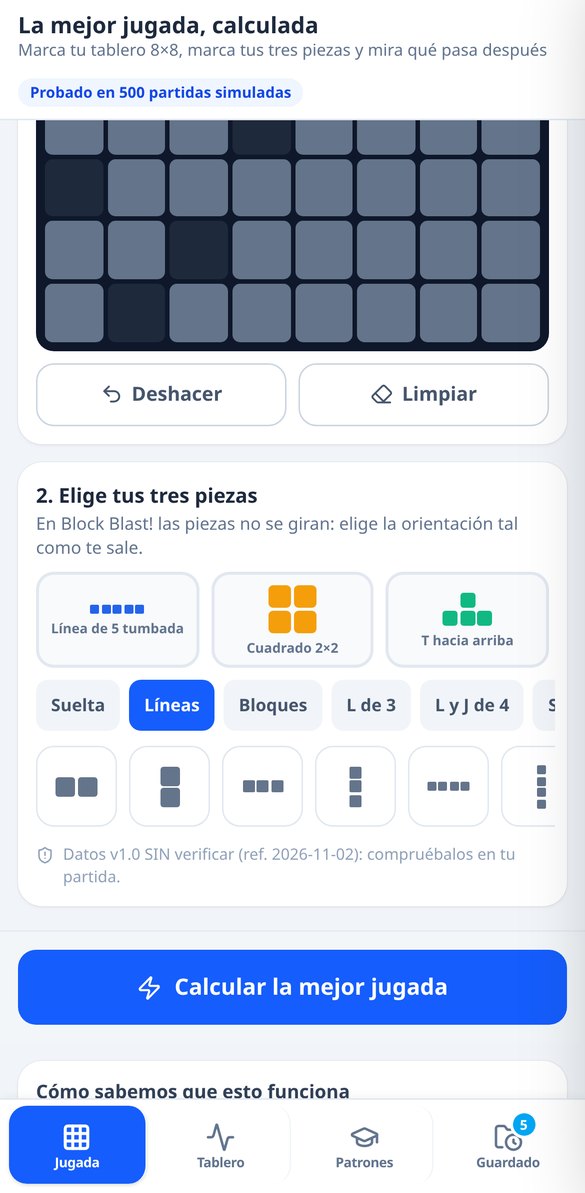
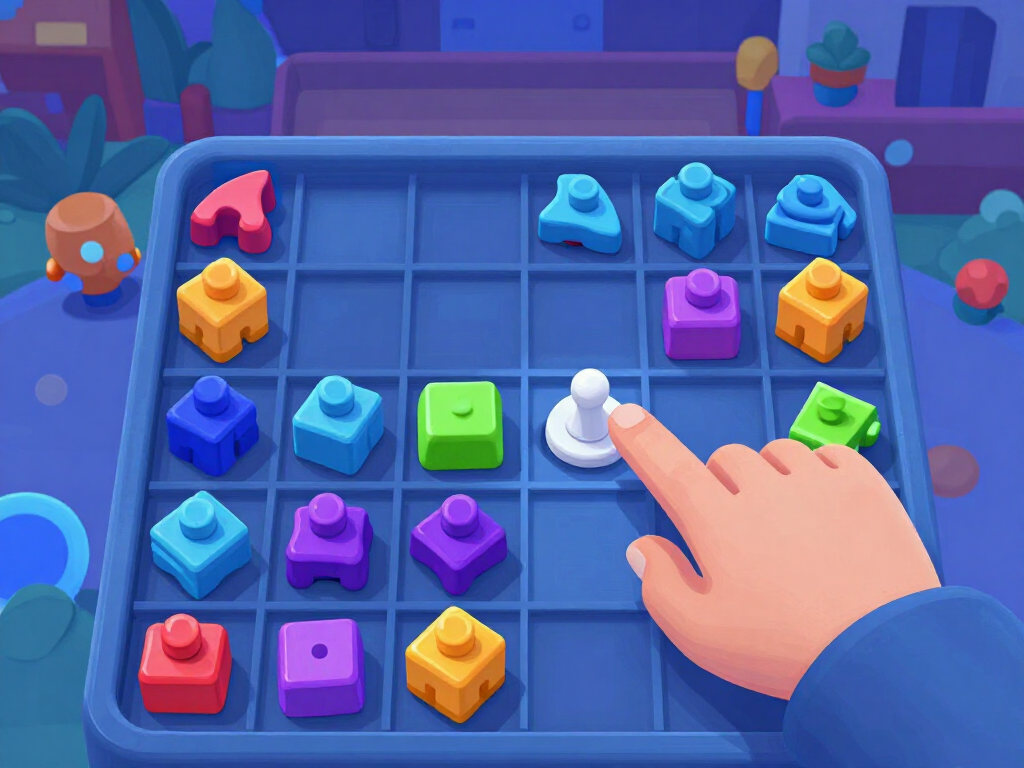
You mark occupied cells by dragging your finger across the 8×8 grid and choose your three pieces by tapping the palette of 33; there’s nothing to draw. You get the entire sequence—which piece goes in which cell and in what order—the rows and columns cleared at each step, and the estimated points for the turn. If the three pieces don’t fit, it tells you and gives you the best partial move instead of inventing an impossible one. And if you mark an impossible board, with a row already complete and uncleared, it warns you before calculating.
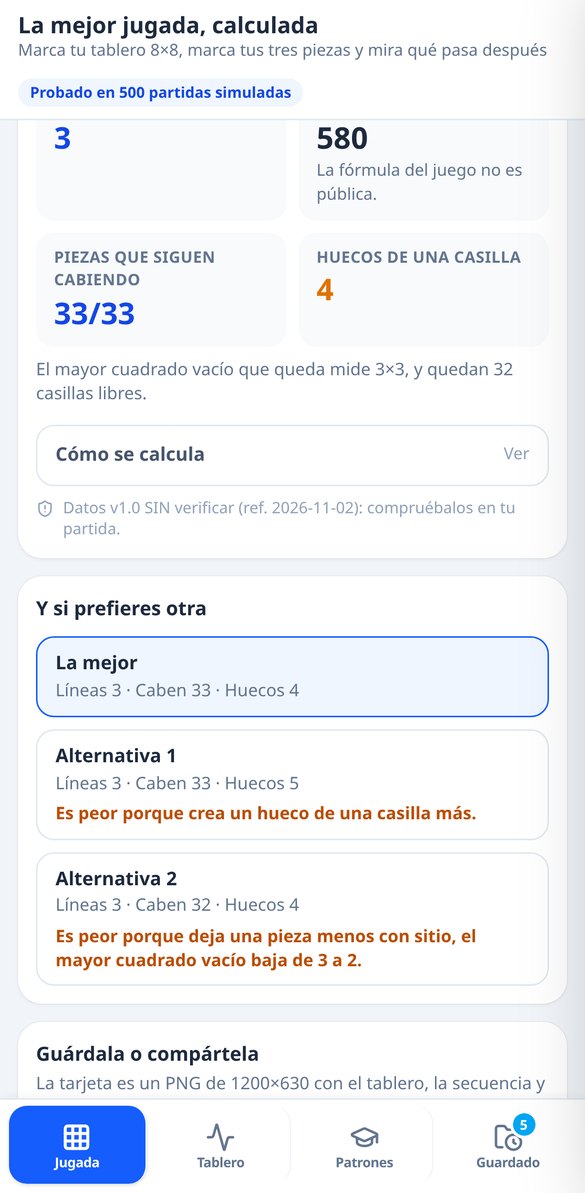
The second-best option, and why it’s worse
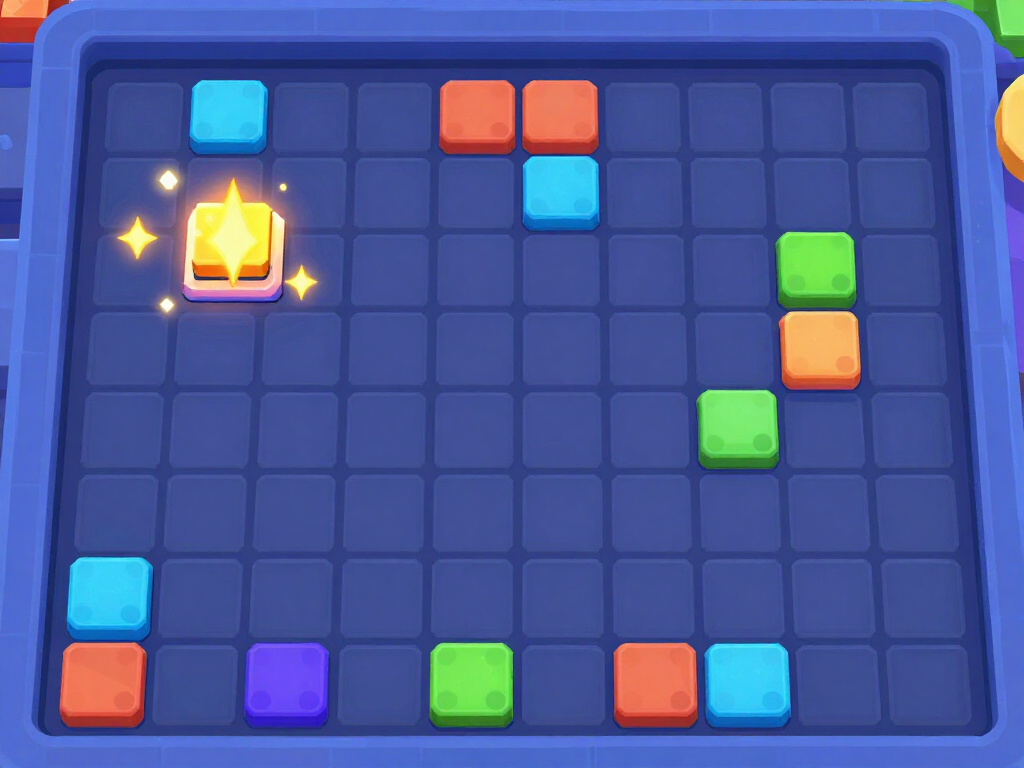
Not just the winning move: also the alternative, with the concrete difference between the two in lines cleared, one-cell gaps, catalog pieces that still fit, largest empty square, and estimated points. No adjectives: numbers. That way you stop copying moves and start deciding for yourself. The calculation runs in your browser, off the UI thread, with a budget of 250 milliseconds per turn; if that isn’t enough to explore everything, it says so on screen instead of presenting it as the perfect move.
Board diagnosis and 12 patterns
The analyzer scores your board’s health from 0 to 100 and gives you the two priority corrections: why you got stuck and what to fix first. And the trainer has 12 patterns that really raise your score—don’t create one-cell gaps, keep a 3×3 square alive, don’t break the right column—each with its before-and-after board, with the best and worst placement calculated by the same engine that solves your turns, so the example never contradicts the tool.
Your best move in three taps
יוצרים את הפרופיל של הילד
ילד או ילדה, שם וגיל בין 4 ל־12. עד שמונה פרופילים באותו חשבון, לכל אחד הנקודות, הרמה וההיסטוריה שלו.
בוחרים מה לתרגל
חיבור, חיסור או לוחות כפל, מה שמתאים באותו אחר צהריים, ורמת האתגר אם רוצים להעלות או להוריד את הקושי.
20 תרגילים והולכים על הגביע
ספירה לאחור, מקלדת על המסך ופותרים. התרגילים שנפלו חוזרים; כשפותרים את האחרון מגיעים הנקודות, האמרלדים והקונפטי.
Frequently Asked Questions
Latest blog articles
Guides and news to get more out of it

World Record of Block Blast in 2026: What is the highest score and how to achieve games over one million points
World Record of Block Blast in 2026: what score the community has, why it is not verifiable, and how to achieve one million.

World Record of Block Blast in 2026: What is the Highest Score and How to Achieve Games Over One Million Points
The Block Blast record held by the community in 2026 exceeds 1,820,000 points, but there is no official ranking. What do million-point games have in common.
Your next turn, calculated
פתחו חשבון חינם, צרו את הפרופיל של הילד ושיפתור את 20 התרגילים הראשונים שלו.